A quick guide on RH concept, importance and calculation
Why Automated Environmental Monitoring Is crucial in Pharma Manufacturing
Share:
Pharma Manufacturing Leaves No Room for Guesswork
Pharmaceutical manufacturing operates under tighter environmental constraints than any other industry. A two-degree temperature deviation in a storage area, a drop in differential pressure between cleanroom zones, or a humidity swing during a critical production step — any of these can compromise a batch that took weeks to produce and months or years to approve.
The margin for error should be essentially zero. Depending on manual checks, periodic readings, and paper logs in such volatile conditions is suicidal. That gap between how conditions actually behave and how often they get monitored is where quality failures quietly begin.
Where Manual Monitoring Gets Wrong
Manual monitoring is not just slow — it is structurally unable to catch the kinds of deviations that matter most in pharma manufacturing.
Missed Deviations
A temperature excursion that lasts forty minutes between two scheduled checks does not appear in a manual logbook. It also does not appear in a batch record. But it may have already affected the stability of the product sitting in that storage unit. By the time the next reading is taken, the condition has corrected itself — and nobody knows the deviation happened at all.
Product Spoilage
Drug products are sensitive to their environment in ways that are not always visible. A vaccine that has experienced a cold chain break may look identical to an unaffected one. A tablet that has absorbed excess moisture may still pass visual inspection. The damage is chemical, not cosmetic — and manual monitoring does not provide the continuous coverage needed to catch the conditions that cause it.
Compliance Failures
Regulatory bodies including the US FDA, WHO, and EU EMA require documented evidence that environmental conditions were maintained throughout manufacturing and storage. A paper log filled in every two hours is not that evidence. It is a record of eight moments in a sixteen-hour shift. When an inspector asks what happened between those moments, a manual system has no answer.
Regulators do not just want to know that conditions were acceptable. They want evidence that conditions were maintained — continuously, with a complete and unedited record.
What Continuous Monitoring Actually Provides
Real-Time Visibility
A continuous monitoring system does not wait for a scheduled check. It reads conditions constantly and flags any deviation the moment it occurs. This gives quality and operations teams an accurate, live picture of what is happening across every monitored zone — not a reconstruction based on periodic snapshots.
Audit Readiness at Any Time
When an FDA or WHO inspector arrives, the question is not whether your records exist — it is whether they are complete, consistent, and tamper-proof. Continuous monitoring systems generate records automatically, timestamped to the second, with no gaps, no manual entries, and no opportunity for retrospective editing. That is exactly what an audit trail is supposed to look like.
GMP and GDP Compliance
GMP guidelines require that manufacturing environments be continuously controlled and monitored. GDP requirements extend that obligation into storage and distribution. A well-configured continuous environmental monitoring system satisfies both by maintaining documented evidence of environmental conditions from the point of manufacture to the point of dispatch.
Product Safety
Ultimately, environmental monitoring in pharma is about the patient. A product that reaches a patient in a degraded state because a storage excursion went undetected is a patient safety event, not just a quality failure. Continuous environmental monitoring is the operational mechanism through which pharma facilities are safeguarded from such incidents.
Critical Parameters That Must Be Monitored
Each of the following parameters plays a specific role in product integrity and regulatory compliance. Gaps in any one of them create risk across the entire manufacturing and storage chain.
Ensures product integrity from manufacture to dispatch
Supply chain failures, patient safety risk
The Role of Real-Time Alerts and Data Logging
Alerts That Reach the Right People
An environmental deviation at 11 p.m. on a Saturday does not wait for business hours. An environmental monitoring system that only logs data without alerting is useful for retrospective analysis but does little to prevent damage in real time. SMS and email alerts sent directly to the responsible person — the moment a threshold is crossed — give teams the window they need to intervene before a deviation becomes a batch loss.
Tamper-Proof Records
Data integrity is a recurring theme in regulatory inspections, and for good reason. Records that can be edited, deleted, or backdated after the fact are not records — are liabilities. An environmental monitoring system with secure, encrypted data storage ensuring what the system recorded is what the inspector sees. No gaps, no overwriting, no audit queries required.
Faster Corrective Action
When an alert fires with specific information — which zone, which parameter, how long the condition has persisted, and how far it has deviated — the person receiving it can make an informed decision immediately. Compare that to discovering a deviation during the next manual check, by which point the window for corrective action may have already closed.
How Smart Monitoring Systems Work in Practice
Modern environmental monitoring goes well beyond placing sensors in a room and hoping someone checks the readings. Enviro Technologies’ enviroSCAN multi-channel data loggers are designed specifically for regulated environments — capturing temperature, humidity, and differential pressure continuously, across multiple zones simultaneously.
Multi-Location Monitoring
For pharmaceutical manufacturers operating across multiple production areas, storage rooms, or even different facilities, a centralised monitoring platform allows every location to be watched from a single interface. Deviations at any site generate alerts immediately, regardless of whether anyone is physically present at that location.
Software Integration and Cloud Access
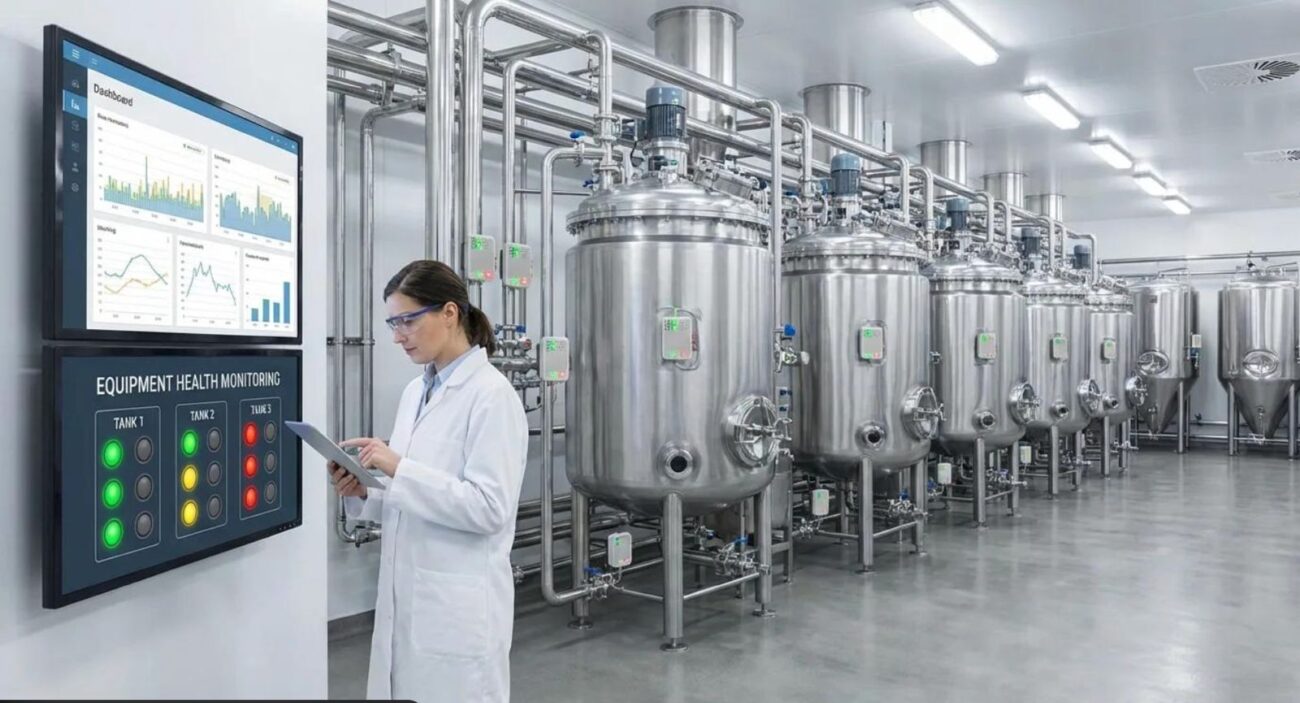
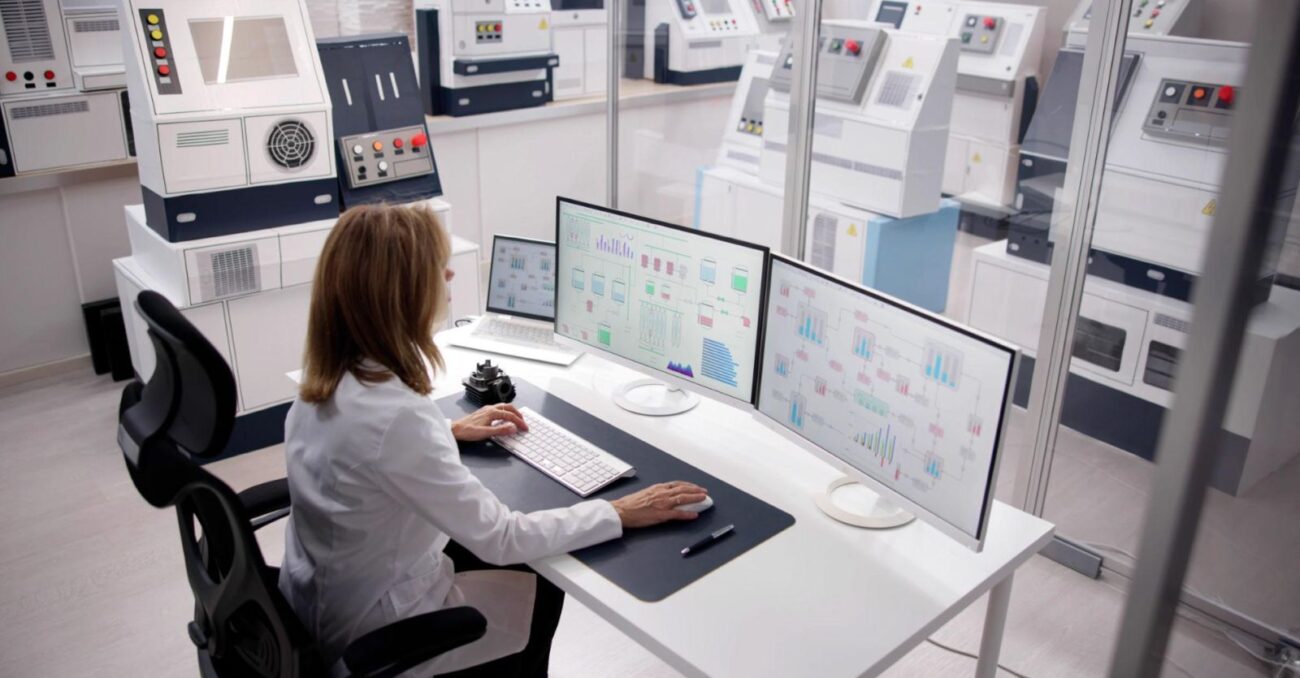
Enviro Unisoft software consolidates data from all connected sensors into a single dashboard — accessible remotely, updated in real time, and capable of generating reports on demand. Whether a quality manager needs a trend report for a product review or a site manager needs to check current conditions from another city, the data is always available and always current.
21 CFR Part 11 Compliant Reporting
For facilities supplying the US market, 21 CFR Part 11 compliance is not optional. It requires that electronic records be trustworthy, reliable, and equivalent to paper records in terms of integrity. Enviro Unisoft generates audit-ready reports with full electronic audit trails, user access logs, and electronic signature support — satisfying the requirements of 21 CFR Part 11 without manual intervention.
Conclusion
Pharma Industry has always demanded precision. What has changed is the expectation around how that precision is documented and demonstrated. Periodic manual checks were once acceptable. They are no longer sufficient in a regulatory environment where inspectors expect continuous, timestamped, tamper-evident records of every environmental condition across every critical zone.
Continuous monitoring is not an upgrade to existing practice. It is the standard that regulated manufacturing now requires — and the most practical way to protect product quality, operational continuity, and regulatory standing at the same time.Enviro Technologies works with pharmaceutical manufacturers across India to build monitoring systems that fit their facility, their product range, and their compliance requirements.