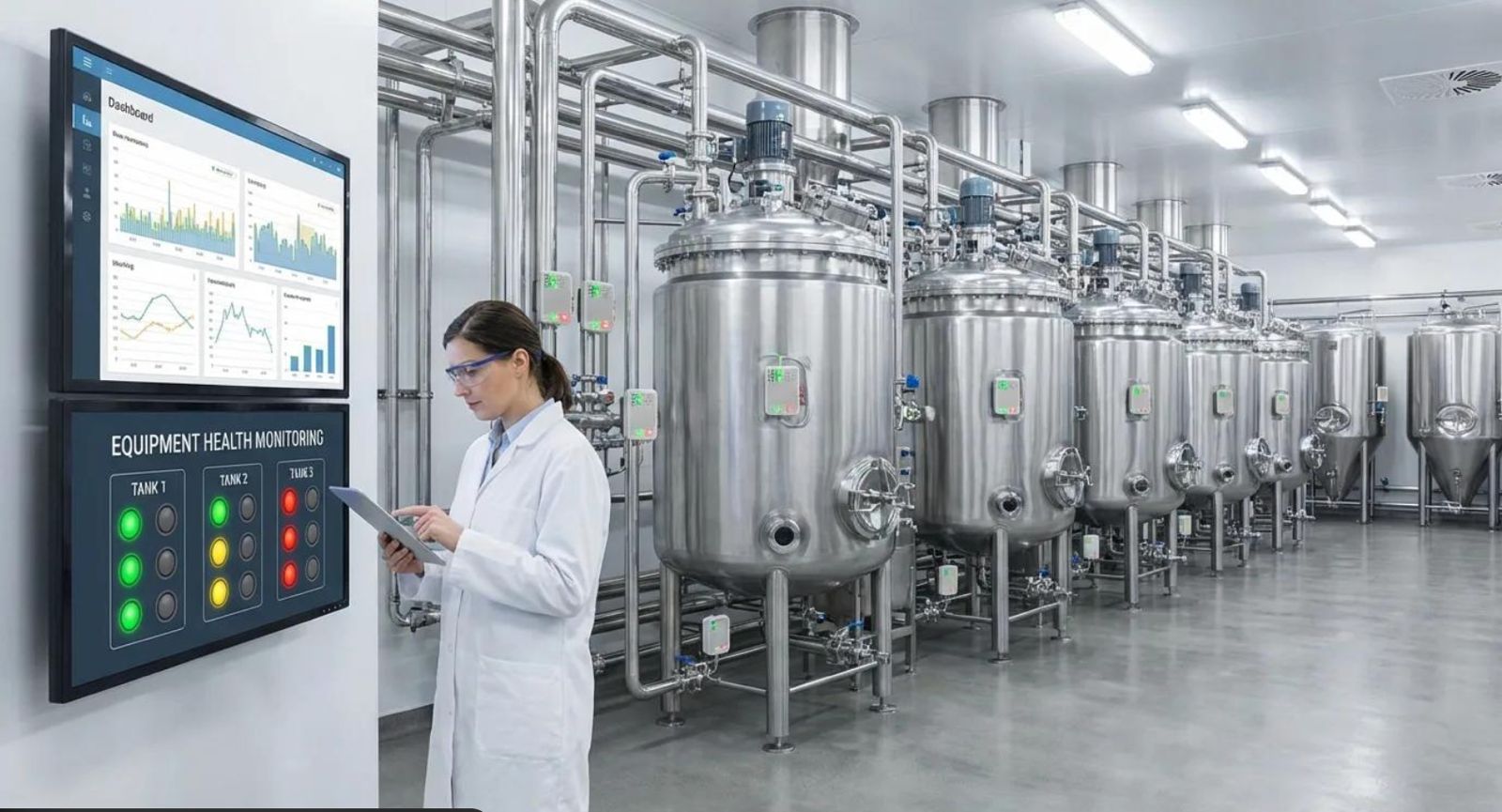
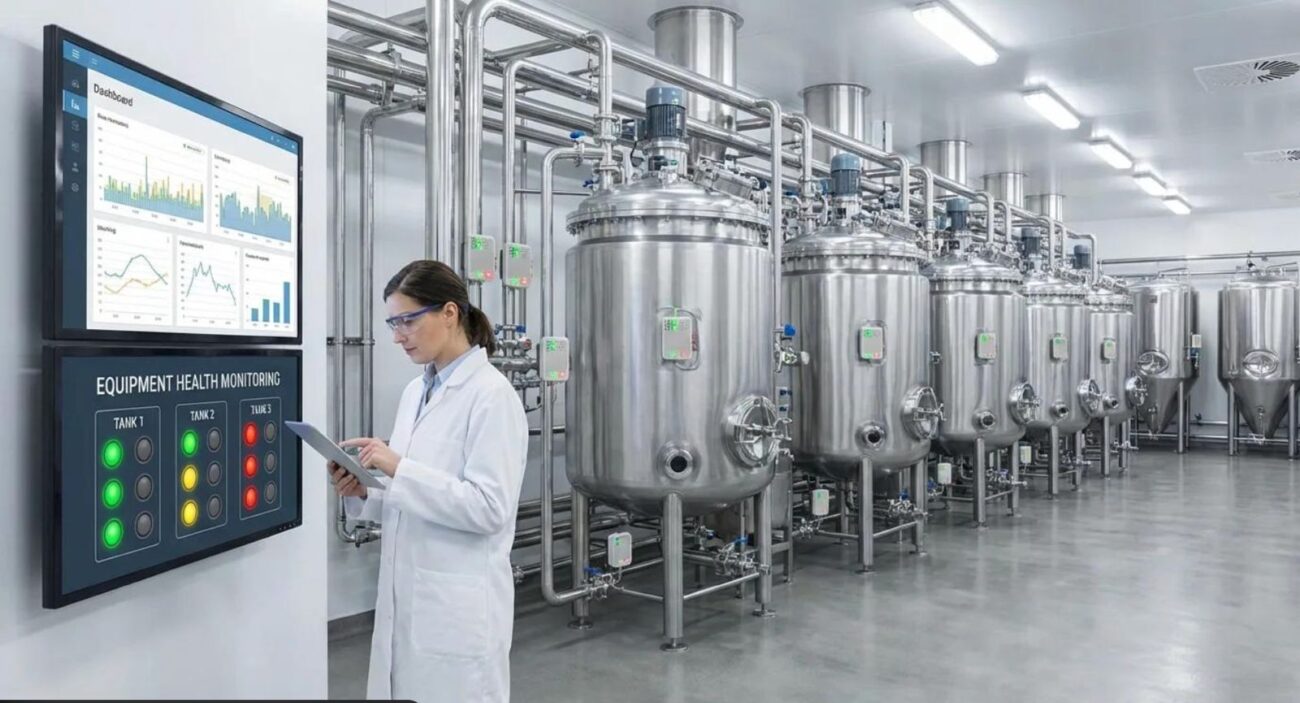
In the highly regulated world of pharmaceuticals, precision is everything. From manufacturing medicines to maintaining cleanroom conditions and ensuring regulatory compliance, every process depends on accuracy and consistency. One often overlooked yet highly critical aspect of pharmaceutical operations is Time Synchronization in Pharmaceutical Industries.
Time synchronization ensures that all devices, systems, monitoring equipment, and records operate according to the same accurate time reference. Whether it is environmental monitoring systems, batch production records, laboratory equipment, or quality management systems, synchronized time plays a major role in maintaining operational accuracy and compliance.
n pharmaceutical industries, even a minor mismatch in timestamps can lead to data inconsistencies, compliance issues, and operational confusion. This is why implementing reliable Time Synchronization Systems has become essential for modern pharmaceutical facilities. In this blog, we explore the importance of time synchronization, its benefits, challenges, and how it supports compliance and operational efficiency in pharmaceutical manufacturing.
What Is Time Synchronization?
Time Synchronization refers to the process of ensuring that all devices, software, equipment, and monitoring systems within an organization operate using the same standardized clock.
In pharmaceutical environments, multiple systems continuously collect and process data, including:
Maintaining proper GMP Cleanroom Requirements helps organizations:
Environmental Monitoring Systems (EMS)
● Building Management Systems (BMS)
● Laboratory Equipment
● Batch Production Systems
● Access Control Systems
● Data Loggers
● SCADA Systems
If these systems operate with different timestamps, data mismatches can occur, creating confusion during audits and investigations. A synchronized environment ensures consistency, traceability, and accurate event recording.
Why Time Synchronization in Pharmaceutical Industries Matters
Pharmaceutical operations involve highly sensitive processes that require strict documentation and monitoring. Accurate timing helps maintain trust in recorded information and ensures smooth coordination between systems.
Without synchronized time, organizations may face:
● Inconsistent records
● Incorrect event tracking ● Delayed issue identification
● Regulatory compliance risks
● Data integrity concerns
This makes Time Synchronization in Pharmaceutical Industries an important operational requirement rather than just a technical feature.
Improves Data Integrity
One of the biggest reasons for implementing Time Synchronization Systems is maintaining Data Integrity.
In pharmaceutical manufacturing, all actions must be recorded accurately. If systems display different timestamps, it becomes difficult to identify the exact sequence of events. For example: If an environmental alarm occurs at one time but equipment logs display a different time, investigations become difficult.
Why It Matters
Synchronized time ensures that all records reflect the same event timeline, making data more accurate and reliable.
This improves operational transparency and reduces confusion during quality investigations.
Supports Regulatory Compliance
Pharmaceutical industries must comply with strict regulations and standards, including GMP Compliance and data integrity requirements. Regulatory authorities expect organizations to maintain clear, traceable, and consistent records. Incorrect timestamps can create compliance risks during audits and inspections.
Why It Matters
Reliable Time Synchronization Systems help organizations maintain accurate documentation and strengthen Regulatory Compliance. Synchronized systems ensure proper event recording and support transparent reporting practices.
Enhances Audit Trails
In pharmaceutical environments, maintaining detailed Audit Trails is essential for investigations, compliance reviews, and quality assurance.
Audit trails help organizations track:
● Equipment activity
● Environmental changes
● Alarm events
● User actions
● System modifications
If timestamps are inconsistent, reconstructing events becomes difficult.
Why It Matters
Accurate Time Synchronization ensures all systems display the same event timing, making investigations easier and improving accountability.
This creates stronger compliance documentation.
Improves Environmental Monitoring Accuracy Modern pharmaceutical facilities depend heavily on Environmental Monitoring Systems (EMS) to maintain controlled conditions.
These systems monitor:
● Temperature
● Relative Humidity (RH)
● Differential Pressure
● Cleanroom Conditions
● Air Quality
When timestamps vary between monitoring systems, environmental records may become unreliable.
Why It Matters
Synchronized timing helps Real-Time Monitoring Systems capture and report environmental data consistently.
This improves reliability in monitoring and strengthens quality assurance.
Better Coordination Between Multiple Systems
Pharmaceutical facilities use multiple interconnected systems for operations and compliance.
Examples include:
● EMS
● BMS
● SCADA
● Laboratory Instruments
● Production Systems
Without synchronized timing, systems may record the same event differently.
Why It Matters
Synchronized Time Management ensures seamless coordination between systems and improves operational efficiency. This helps organizations maintain consistent workflows and reduce operational confusion.
Faster Problem Investigation and Root Cause Analysis
Unexpected issues such as equipment failures, alarm triggers, or environmental deviations require immediate investigation. Without synchronized timestamps, identifying the exact cause of an incident becomes difficult. Why It Matters Accurate Time Synchronization Systems allow teams to trace the exact sequence of events.
This helps organizations:
● Investigate incidents faster
● Identify root causes accurately
● Minimize downtime
● Improve corrective actions
Faster investigations improve operational reliability.
Supports Industrial Automation
Modern pharmaceutical industries are increasingly adopting Industrial Automation to improve efficiency and accuracy. Automated systems depend on synchronized data to function properly.
Without proper timing, automated systems may:
● Trigger false alarms
● Generate inaccurate reports
● Create process delays
Why It Matters
Reliable time synchronization improves communication between automated systems and supports smarter industrial operations. Best Practices for Implementing Time Synchronization Systems.
To improve reliability, pharmaceutical organizations should follow these best practices:
● Use centralized time servers
● Synchronize all connected devices regularly
● Integrate synchronization with monitoring systems
● Perform routine system verification
● Ensure backup synchronization methods are available
These practices help maintain consistent timing across facilities.
The Future of Time Synchronization in Pharmaceutical Industries
As pharmaceutical industries move toward digital transformation, the role of Time Synchronization in Pharmaceutical Industries will become even more important.
With increasing adoption of:
● IoT-enabled monitoring
● Cloud-based systems
● Smart automation
● AI-powered analytics
Organizations will require stronger synchronization capabilities to maintain operational efficiency and compliance.
Future monitoring systems will rely heavily on synchronized, real-time data for smarter decision-making.
Conclusion
Although often overlooked, Time Synchronization in Pharmaceutical Industries is essential for maintaining Data Integrity, improving Regulatory Compliance, and supporting efficient pharmaceutical operations.
From maintaining accurate Audit Trails to improving Environmental Monitoring Systems (EMS) and supporting Industrial Automation, synchronized timing helps organizations reduce risks and improve operational reliability.
As pharmaceutical industries continue embracing digital technologies, investing in reliable Time Synchronization Systems will play a critical role in ensuring accuracy, compliance, and long-term operational success.