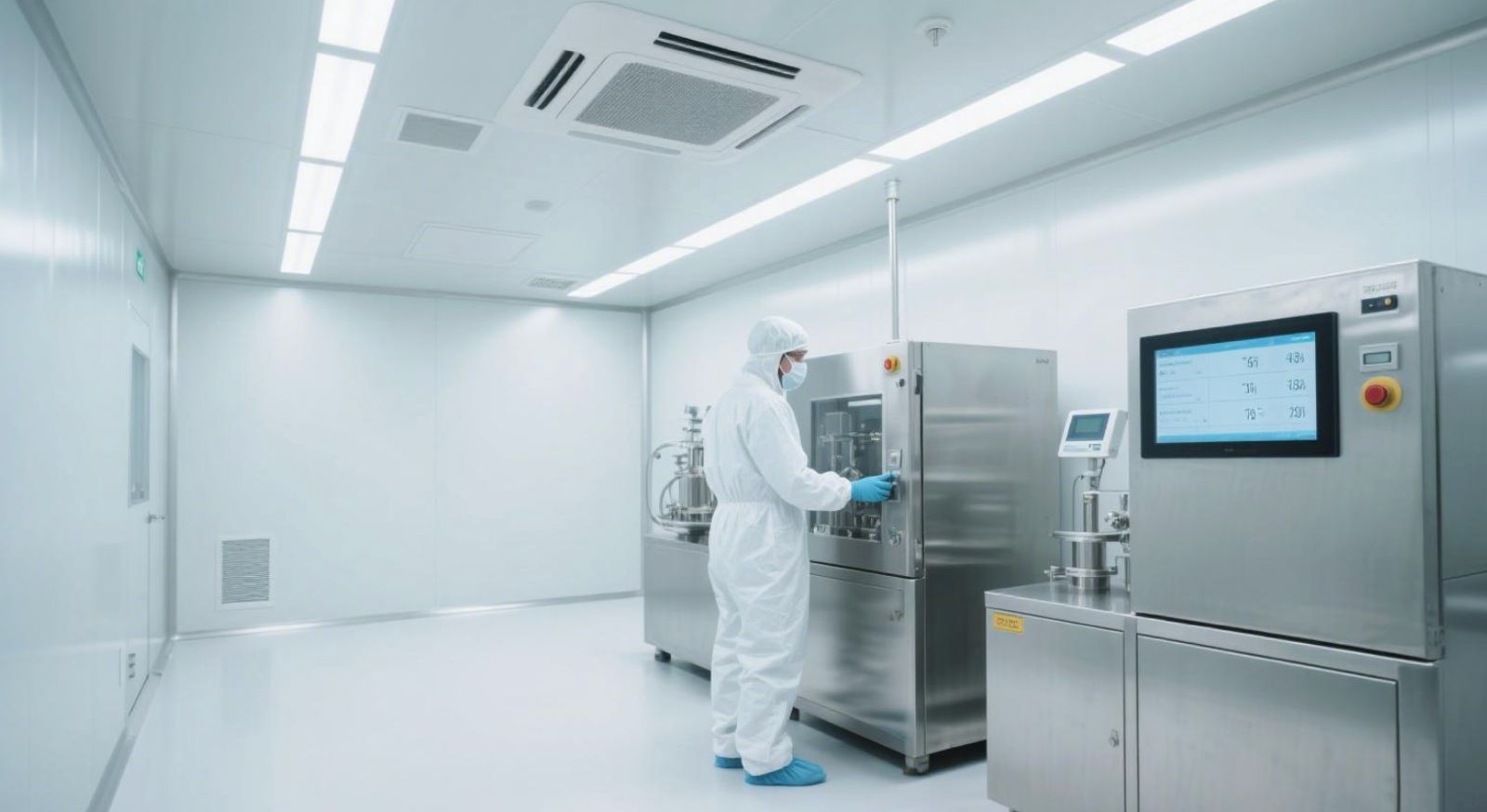
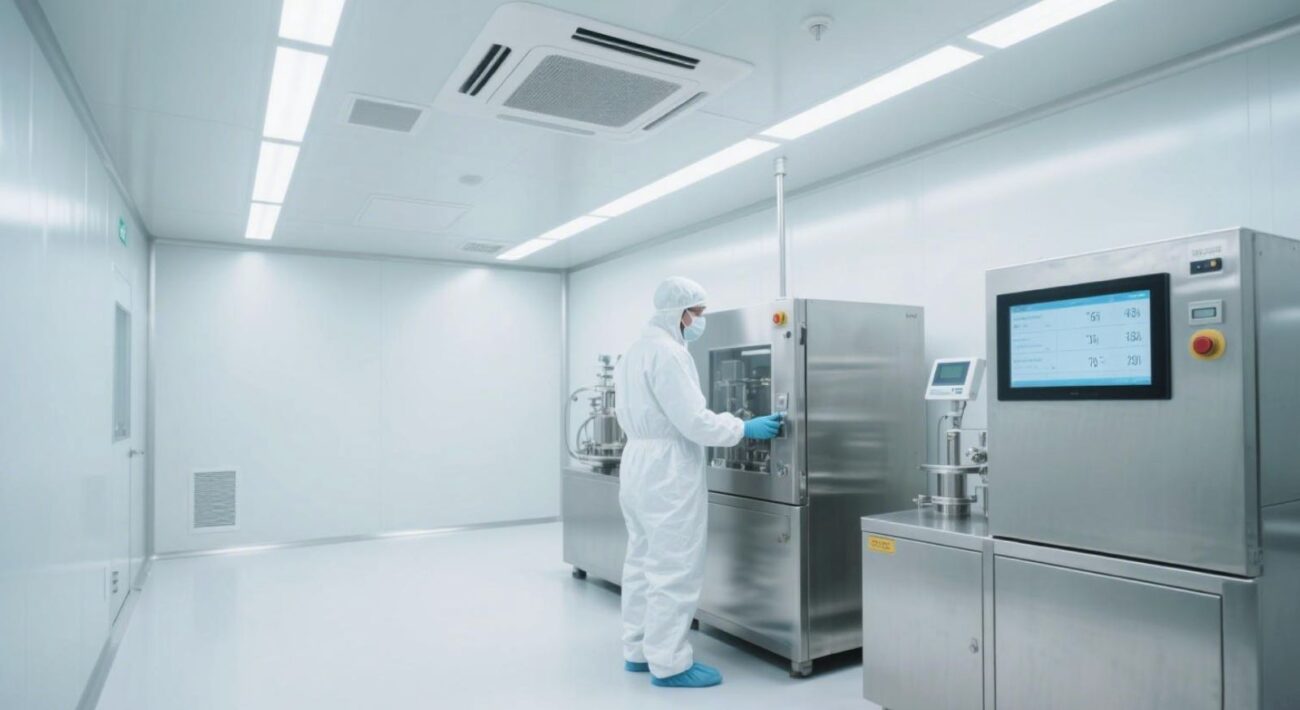
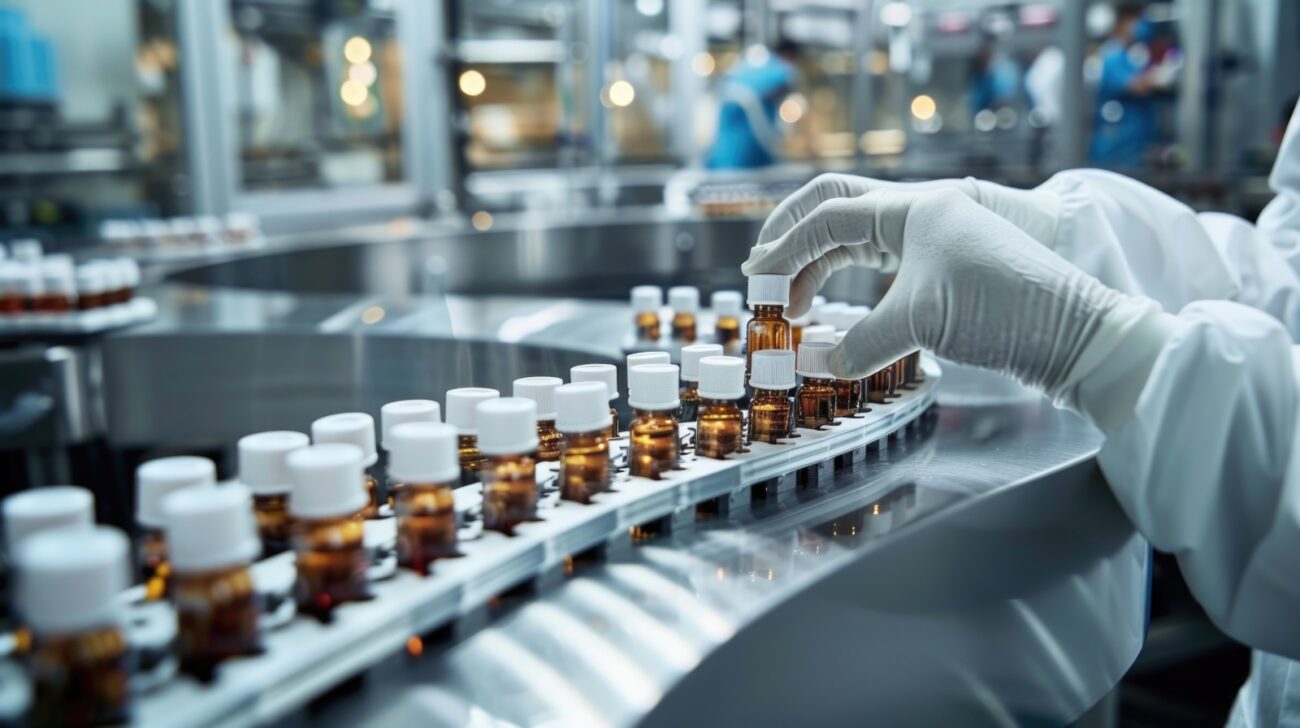
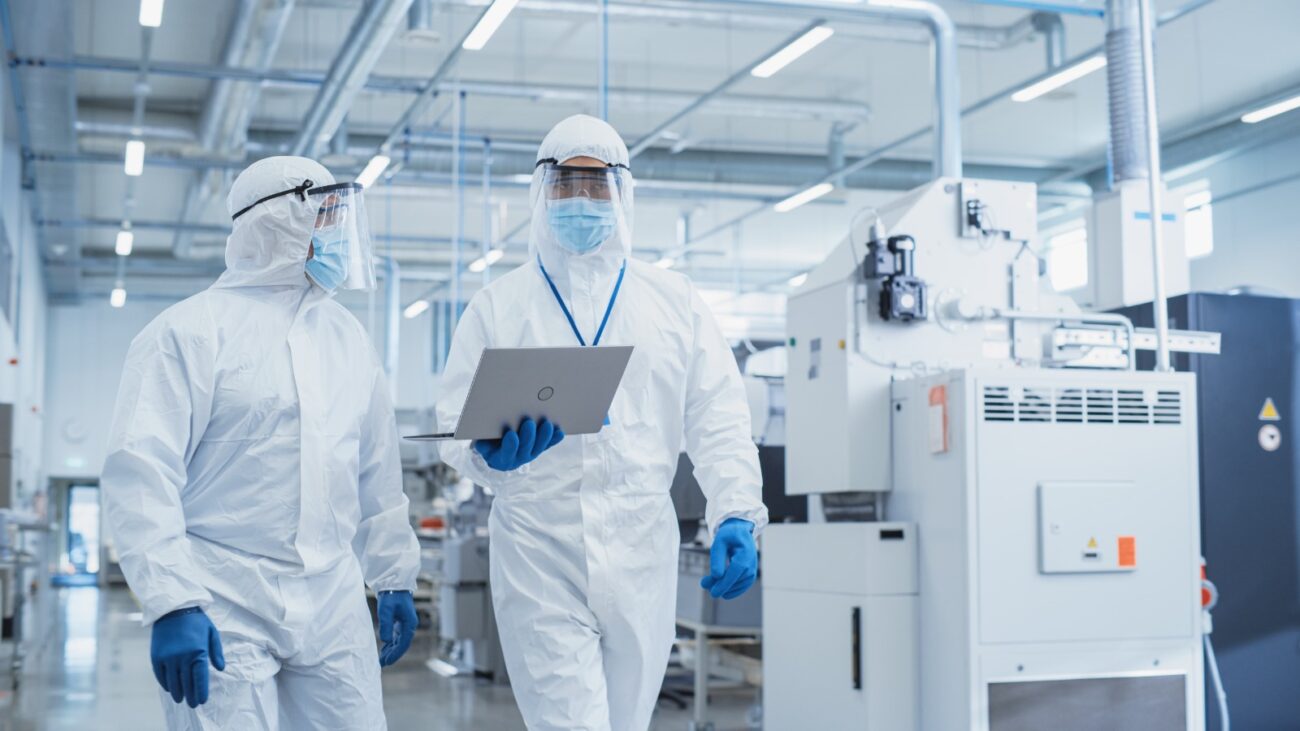
In industries such as pharmaceuticals, biotechnology, healthcare, electronics, and food processing, maintaining a contamination-free environment is essential. Cleanrooms exist to hold this standard: controlled spaces engineered to keep airborne particles, microbial load, humidity swings, and pressure variation within defined limits.
Getting there, and staying there, is a different matter. Organizations running cleanrooms face a recurring set of operational, environmental, and regulatory pressures that test even well-resourced quality teams. Let’s understand where compliance typically breaks down, what a proper GMP compliance monitoring system does to close each gap, and what the underlying regulatory expectations, including the EU’s Annex 1, actually require.
Why Cleanroom Compliance is at the Centre of Pharma Operations
A cleanroom holds its classification by controlling four interdependent variables: airborne particle count, humidity, temperature, and differential pressure. When any one of them drifts, the room’s protective function degrades, following which a batch fails release testing or an inspector raises a query that cannot be answered confidently with data.
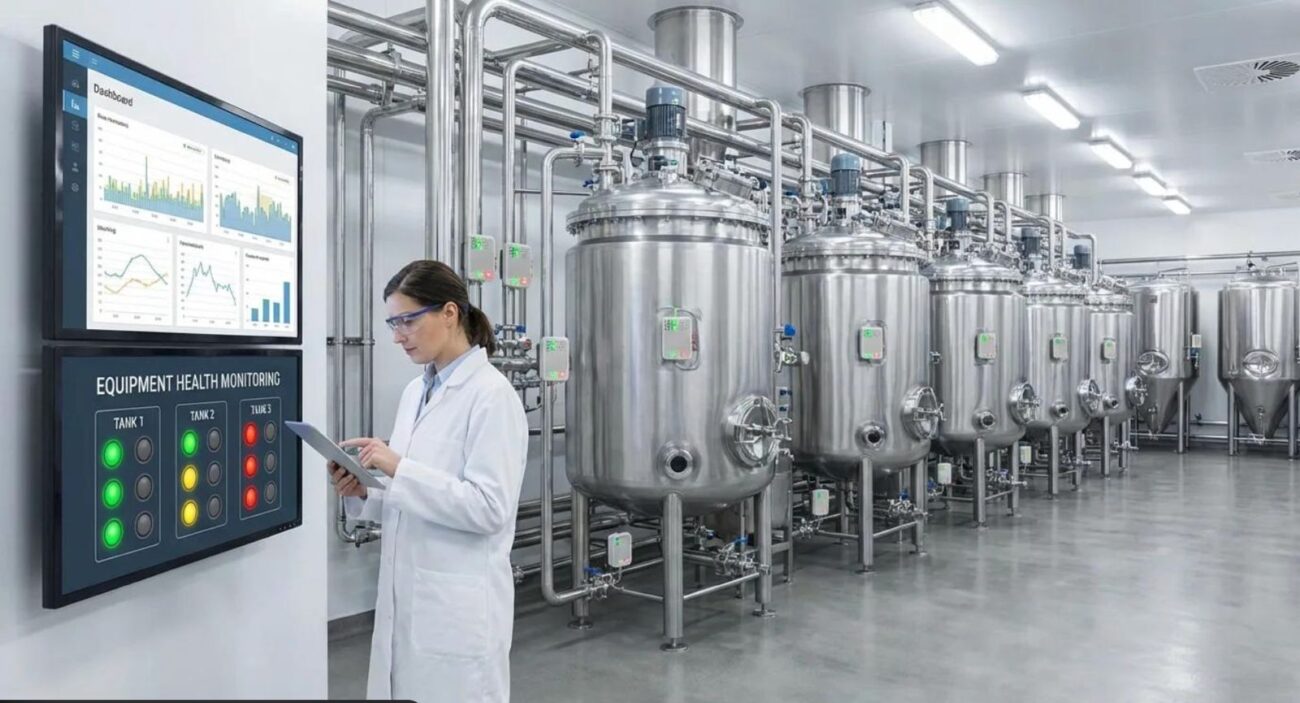
An environmental monitoring system for pharmaceutical manufacturing exists to remove that uncertainty. Done properly, it gives a facility:
- Consistent product quality across batches and shifts
- Lower contamination risk through continuous rather than periodic checks
- A defensible position during regulatory audits and inspections
- Direct protection of patient safety in every batch released
- Measurable gains in operational efficiency, since fewer deviations mean fewer investigations
More than just a compliance checkbox, this is the mechanism that keeps a facility’s GMP status intact.
Where Annex 1 Raised the Bar
The EU GMP Annex 1 revision reset expectations for environmental monitoring in sterile manufacturing. Older practice tolerated periodic manual checks. The current Annex 1 environmental monitoring requirements call for a documented Contamination Control Strategy (CCS), continuous monitoring of critical parameters in Grade A and B zones, and monitoring data that can be traced, time-stamped, and produced on demand. A facility relying on manual logbooks or non-networked displays is, in practice, already out of step with what Annex 1 expects.
The Core Challenges Standing Between Cleanrooms and Compliance
Contamination Control Challenges
Contamination is the risk every other control in the cleanroom exists to manage, and it seldom comes from one source. It typically shows up through:
- Human activity, the single largest contributor in most facilities
- Improper gowning procedures
- Equipment movement in and out of controlled zones
- Airborne particles entering through poor airlock discipline
- Deferred or inconsistent maintenance practices
In aseptic manufacturing specifically, a contamination event doesn’t stay contained to one batch. It can trigger product recalls, failed quality checks, and a regulatory response that outlasts the incident itself.
How it’s addressed: Strong contamination control rests on layered measures: proper gowning protocols, restricted zone access, validated air filtration, and continuous particle monitoring that flags a risk before it becomes a deviation report.
Difficulty in Maintaining Stable Environmental Conditions
Temperature, humidity, and airflow all have to sit inside defined limits continuously, not just at the moment someone happens to check. Cleanroom temperature and humidity monitoring exists because these variables drift on their own timelines, not on the schedule of a manual walkthrough.
The consequences of that drift are specific:
- Excess humidity encourages microbial growth in the very zones meant to prevent it
- Low humidity introduces static electricity risk around sensitive processes
- Temperature instability can degrade product stability outright
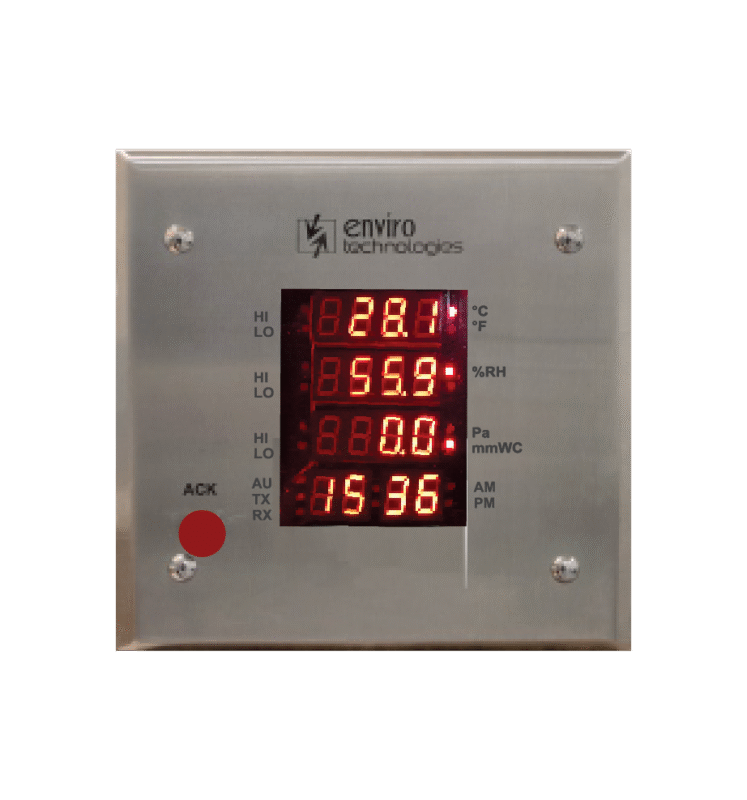
How it’s addressed: Real-time tracking closes the gap between when a parameter drifts and when someone finds out. Enviro’s enviroDPMS cleanroom display reads relative humidity, temperature, and differential pressure through a single instrument, with alerts firing by pop-up, email, and SMS the moment values move outside acceptable bands. For facilities that need dedicated sensing at additional points, the Temperature & Humidity Transmitter adds standalone monitoring without expanding the display network itself.
Managing Differential Pressure Monitoring
Pressure cascades exist to keep contaminants moving in one direction, away from the most critical zones. Get the balance wrong between adjoining rooms, and that direction reverses until it shows up downstream. This often goes unnoticed.
This is exactly the kind of risk a pharmaceutical setup’s cleanroom monitoring system is built to catch early, since pressure differentials shift faster and less visibly than temperature or humidity.
How it’s addressed: Reliable differential pressure monitoring, with automated threshold alerts, gives facilities the lead time to correct a pressure imbalance before it becomes a contamination pathway. The enviroDPMS unit handles this alongside its temperature and humidity readings, tracking pressure to within ±1.5% of reading, so small excursions register before they escalate.
Human Error and Staff Non-Compliance
Instrumentation only controls what instrumentation can reach. People remain the largest variable in most cleanroom environments, and the failure modes repeat across facilities:
- Improper gowning technique
- Frequent or prolonged door opening
- Inconsistent hygiene practices
- Mishandling of equipment inside controlled zones
- Drift away from documented SOPs over time
How it’s addressed: Recurring training, paired with strict operational procedure and a compliance culture that holds individuals accountable, is the only durable counter to this category of risk. No monitoring system substitutes for it.
Equipment Calibration and Maintenance Issues
A monitoring system is only as trustworthy as the sensors feeding it. Instruments that drift out of calibration, or that go unmaintained, start generating readings that look fine but aren’t, and that discrepancy surfaces at the worst possible moment, during an audit.
How it’s addressed: Scheduled calibration and preventive maintenance keep monitoring data valid for cleanroom validation and inspection purposes. Enviro’s calibration services exist specifically to keep this cycle from lapsing across a facility’s full instrument fleet.
Regulatory and Documentation Challenges
Meeting GMP cleanroom requirements means satisfying both the operational standard and the paper trail behind it. Missing records, incomplete logs, or reports that can’t be reconstructed on request create exposure during inspections, independent of whether the environment itself was actually in control.
How it’s addressed: An automated system with a digital audit trail removes the manual reconstruction problem entirely. Enviro Unisoft, Enviro’s web-based EMS software, logs every reading, alarm, and user action as it happens in a 21 CFR Part 11-compliant, tamper-proof format, generating device-wise and equipment-wise reports on request rather than after weeks of assembly. This is also the standard Annex 1 now expects as baseline practice.
Challenges in Continuous Monitoring
Manual, interval-based monitoring has a structural weakness. It only catches what’s happening at the moment someone checks. A deviation that starts and resolves between rounds simply never gets recorded until it doesn’t resolve.
How it’s addressed: Automated, real-time systems remove the interval problem altogether. Enviro Unisoft runs continuous, multistage alerting across every connected device, so pop-up, email, and SMS notifications reach the right people the moment a threshold is crossed, not during the next scheduled review.
What a GMP Compliance Monitoring System Actually Requires
Pulling the sections above together, a monitoring setup capable of meeting current regulatory expectations needs four things working as one system, not as separate purchases:
- Sensing hardware, instruments like enviroDPMS and enviroSCAN capturing temperature, humidity, and differential pressure at the point of measurement across 8 to 32 channels per logger
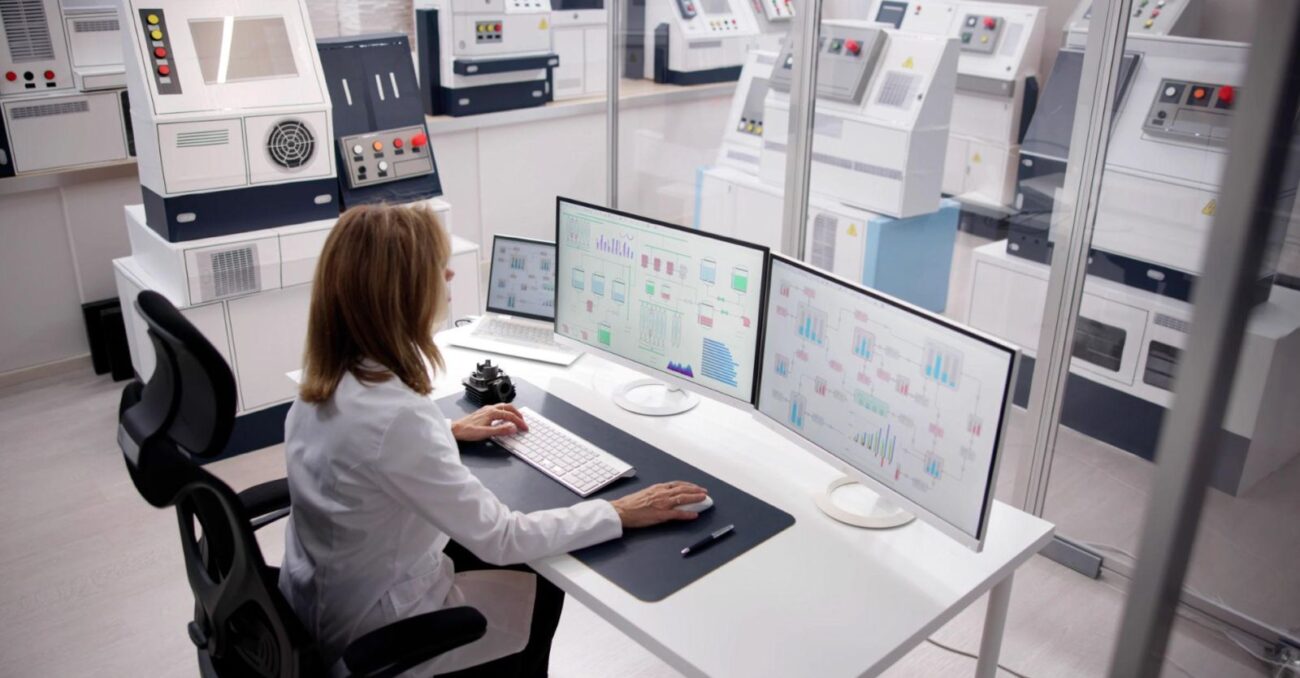
- Centralised software, a platform such as Enviro Unisoft consolidating readings across zones into one point of oversight
- Tamper-proof records, 21 CFR Part 11-compliant, encrypted data that satisfies both internal QA and external auditors
- Continuous alerting, multi-stage notifications that close the time gap between a deviation occurring and someone responding to it
Best Practices to Maintain Cleanroom Compliance
Bringing the individual fixes into a standing operating discipline, organisations that hold compliance consistently tend to:
- Invest in an automated cleanroom monitoring system rather than manual checks
- Run recurring staff training on gowning and hygiene protocol
- Maintain strict access control and gowning discipline
- Deploy continuous temperature and humidity monitoring, not periodic sampling
- Keep differential pressure monitoring active and alarmed
- Maintain a fixed equipment calibration schedule
- Maintain detailed, audit-ready compliance documentation
- Run internal audits on a regular cadence, not only ahead of external ones
Conclusion
Cleanroom compliance is the sum of contamination management, environmental stability, pressure integrity, staff discipline, equipment reliability, and documentation, done simultaneously. Any one of these slipping puts a facility’s compliance status at risk.
Facilities that treat monitoring as a continuous, automated function rather than a periodic task are the ones that hold to Annex 1 and GMP expectations without scrambling before an inspection. An environmental monitoring system for pharmaceutical operations, built on precise hardware, centralised software, and a real audit trail, can never be an add-on to compliance. It’s the infrastructure that compliance runs on.